
Résidences en cours
Résidences passées
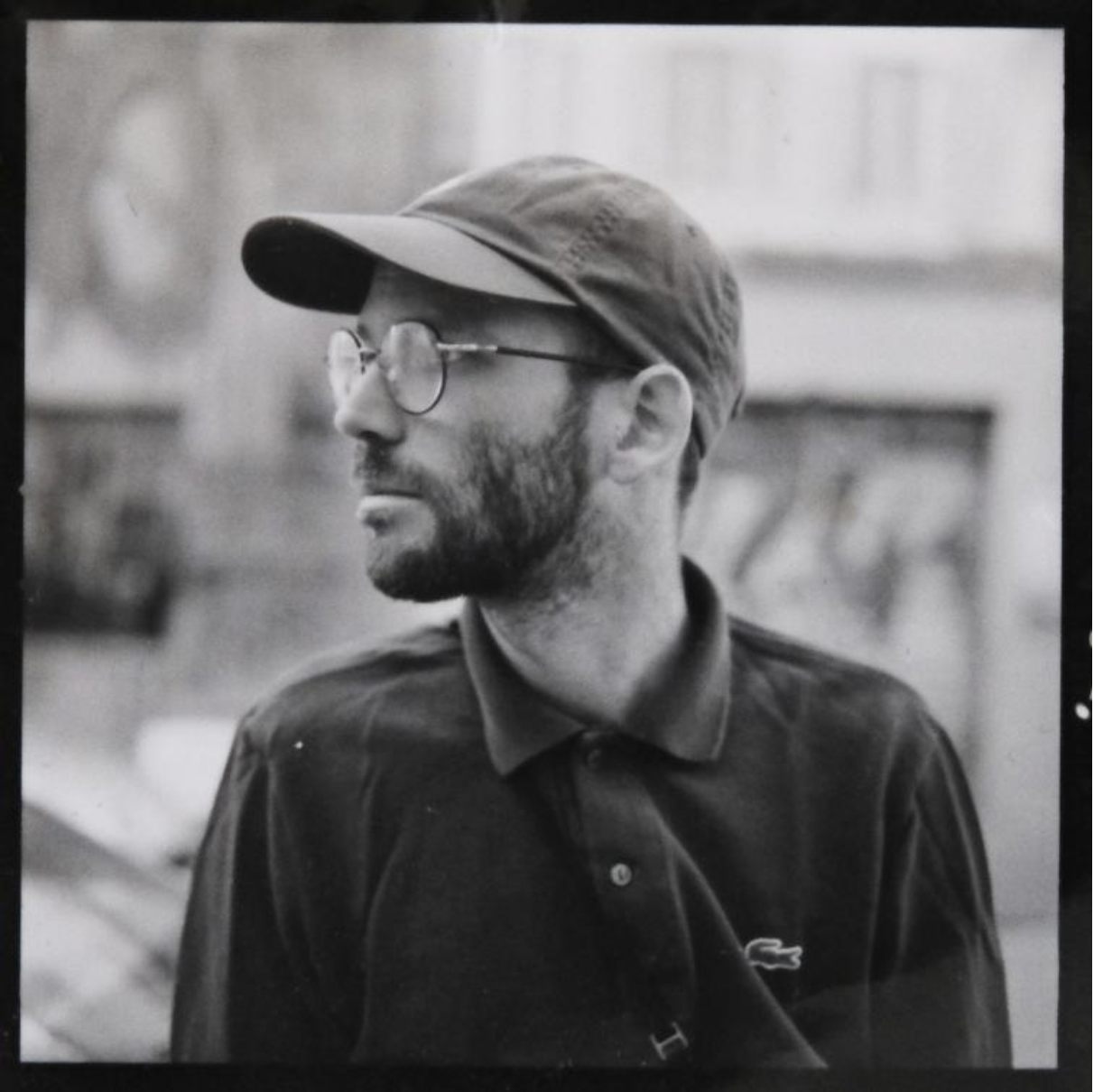
Jean Kader
Bio
A self-taught photographer from Boulogne-sur-Mer, JeanKader built his visual identity in the industrial wastelands and neglected areas of northern France. It was there, amid brownfields and architectural abandonment, that he learned to capture beauty where no one looks for it anymore. Based in Marseille since 2016, he found in the Phocaean city an ideal ground for his denouncing and impactful photography, now fully dedicated to his documentary practice.
JeanKader's work sits at the boundary between social reportage and aesthetic inquiry. Through his lens, he seeks to force the majority's gaze toward the margins of History, documenting the lives of those called the 'forgotten.' Committed against a vision of progress he deems devoid of meaning, he uses the image to safeguard the existence of lands and individuals in struggle. For him, the past is written in the present tense; his photography thus freezes the existence of the invisible, transforming the act of pressing the shutter into a true act of memorial and social resistance.
Residency project
Within the prestigious setting of Rocabella, JeanKader unfolds an immersion project entitled 'L'Envers du Prestige' (The Other Side of Prestige). Accustomed to documenting the margins and neglected zones, he here seeks to reverse his usual prism to explore the social contrasts of an exceptional estate. His ambition is to shed light on the 'shadow hands': the women and men who ensure the daily upkeep of the lush gardens and majestic villas, yet often remain absent from the narratives associated with Riviera luxury.
Using Mediterranean light as a revealer, JeanKader aims to capture the dialogue between the architectural splendor of the estate and the physical reality of human labor. He plans a series of frontal portraits and transitional landscapes, documenting the zones of friction between domesticated nature and the wild coast. For JeanKader, this residency is an opportunity to prove that even at the heart of the exceptional, the narrative of the 'invisible' is essential for understanding the soul of a territory. His work at Rocabella will not be a mere aesthetic celebration, but a committed testimony to the persistence of the human behind the scenery.
Follow
